


Filters
Products Search
Brand
Thickness
Width
Coating
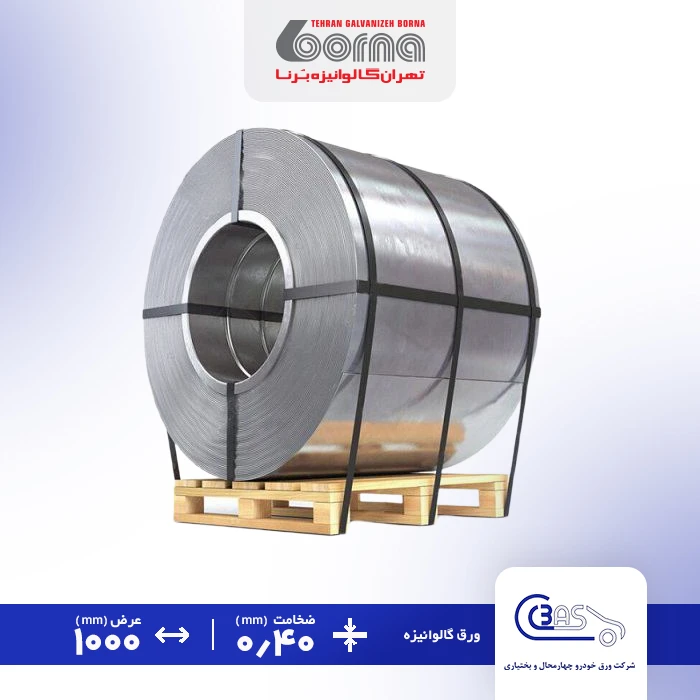
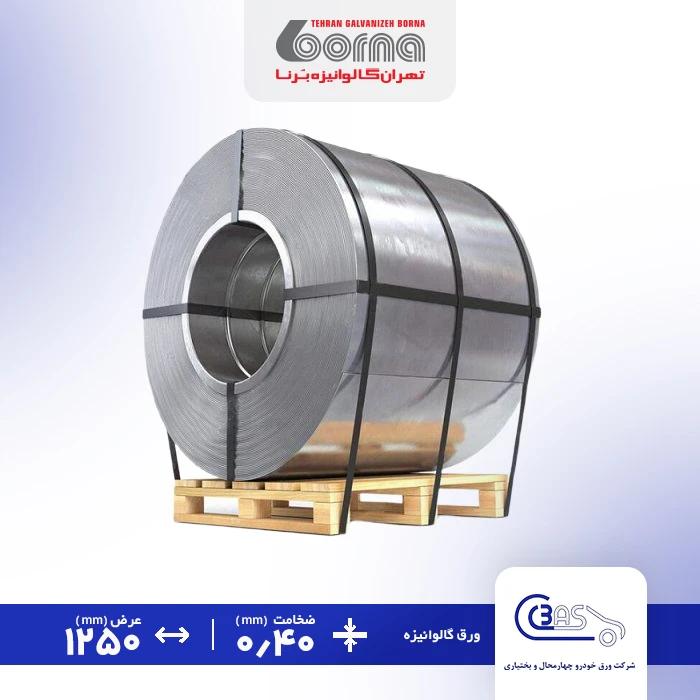
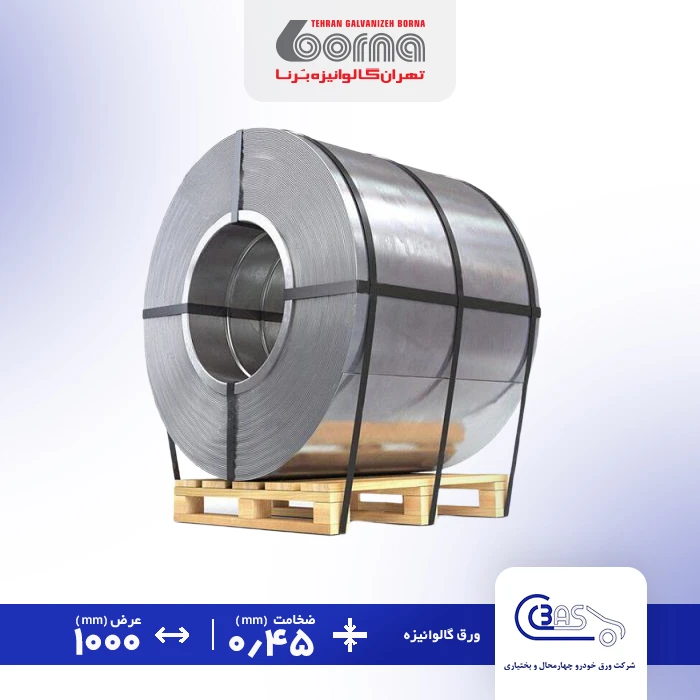
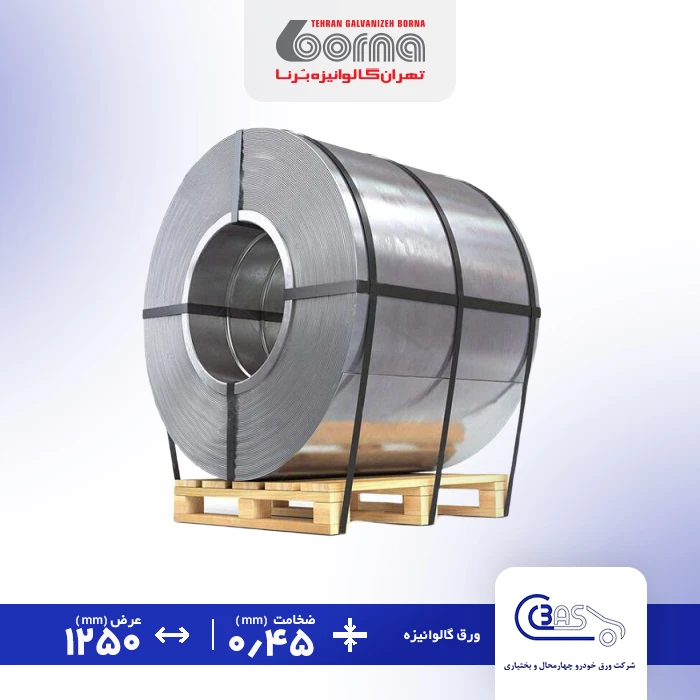
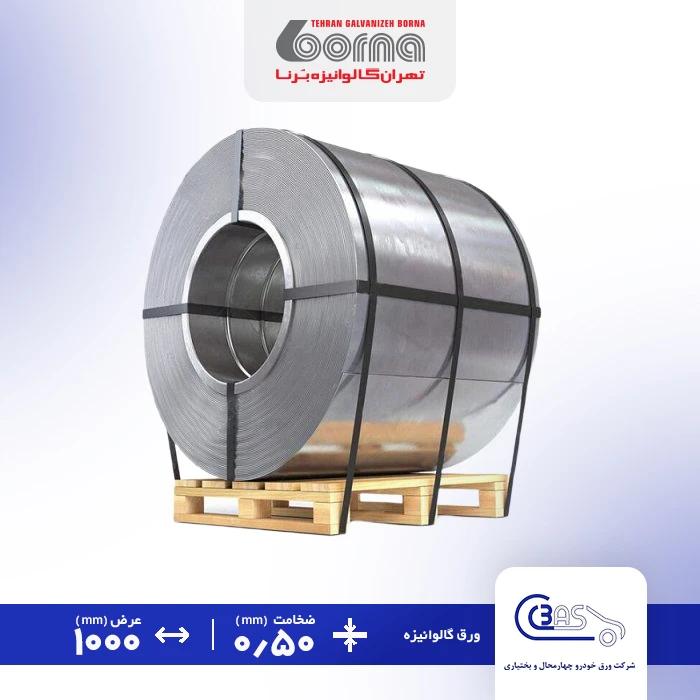
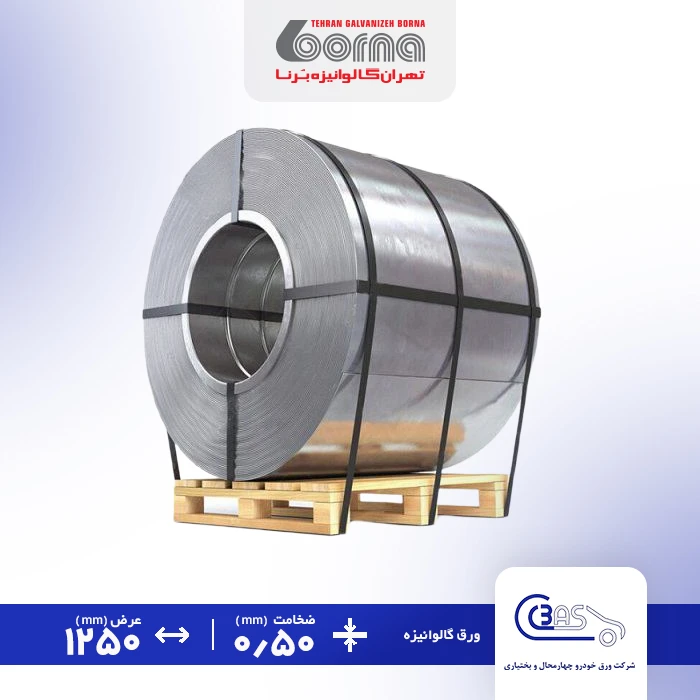
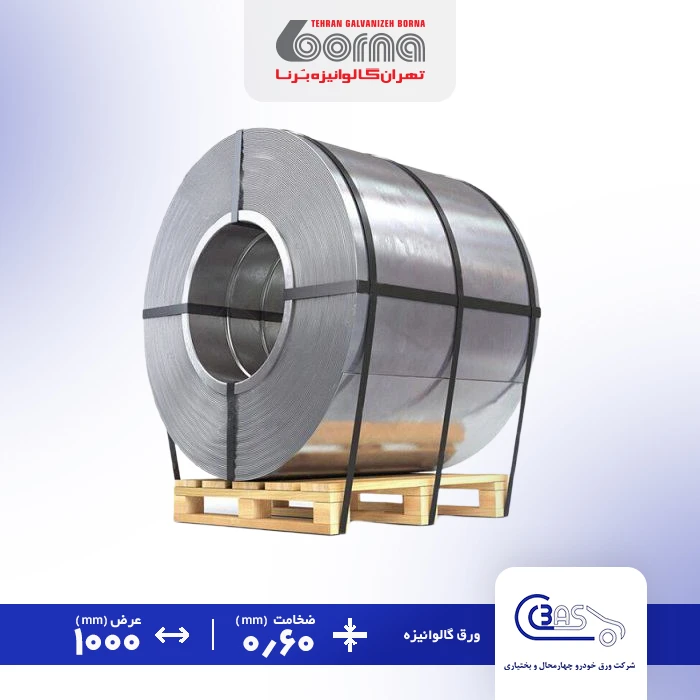
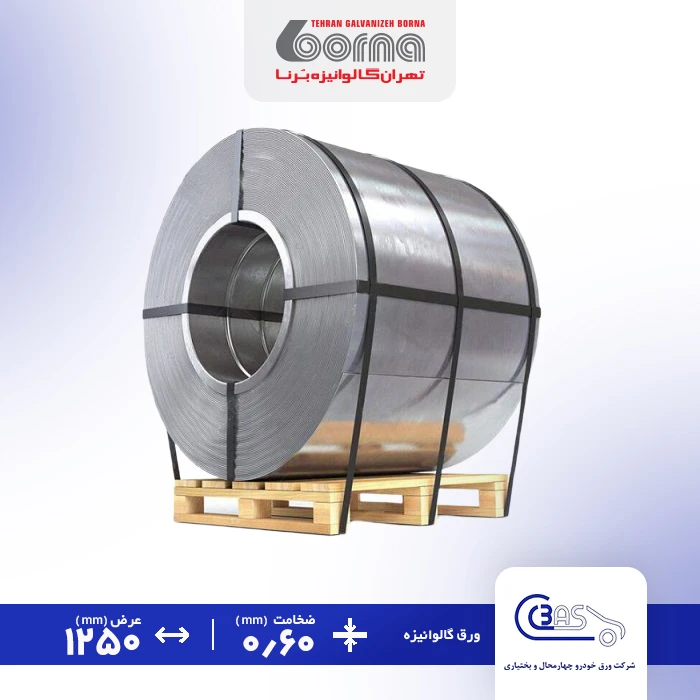
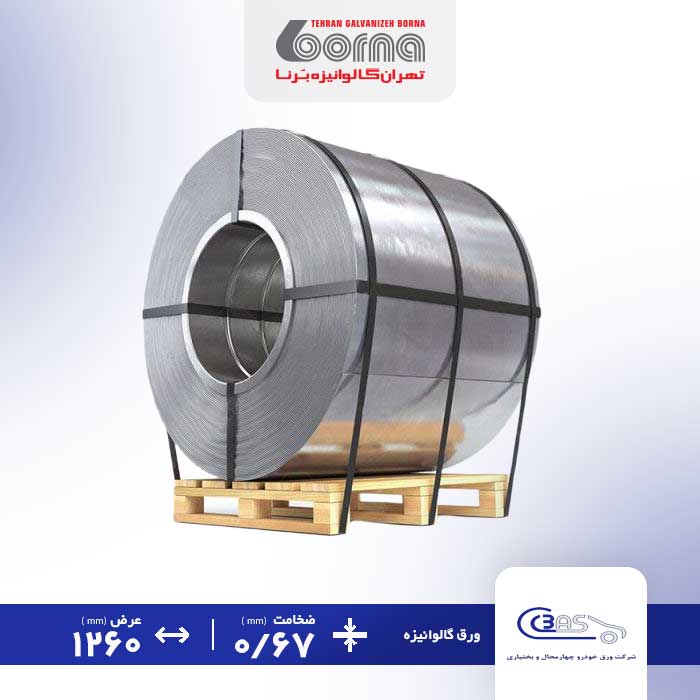
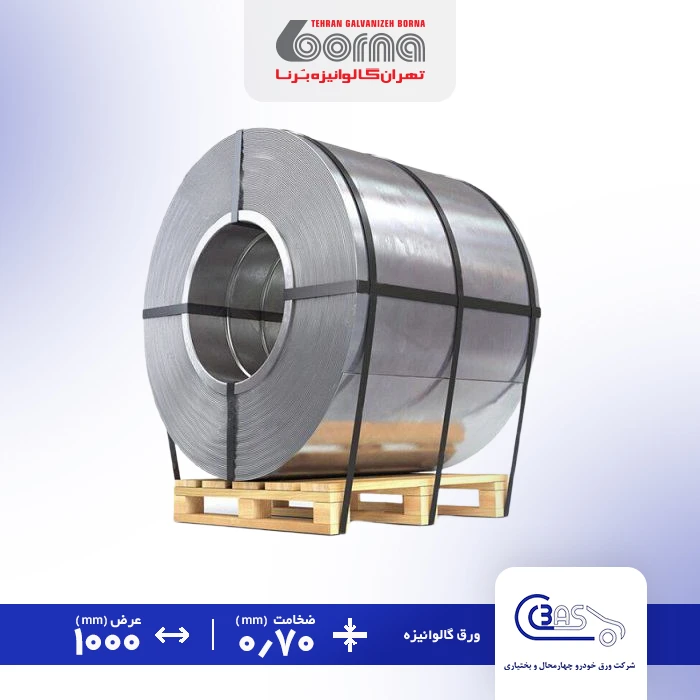
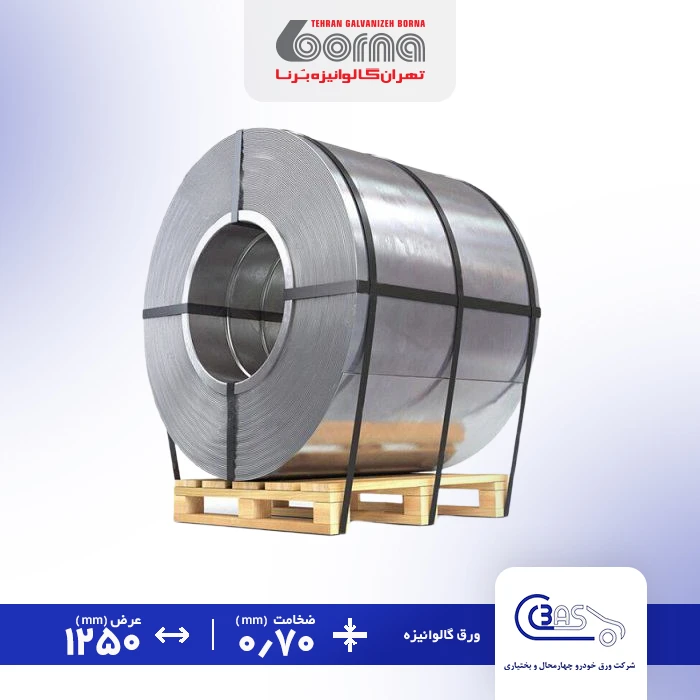
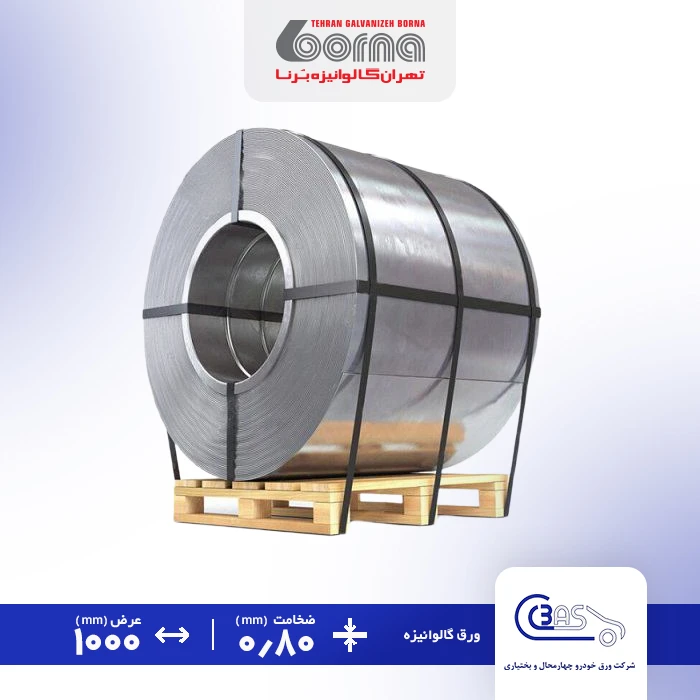
Galvanized Steel Coils & Sheets
Galvanized Steel is a zinc-coated flat steel product widely used in construction and manufacturing applications requiring corrosion protection, durability, and formability. The zinc coating protects the underlying steel by acting as a physical barrier and providing sacrificial corrosion protection, helping to extend the service life of steel components in a range of environments.
Galvanized Steel Coils and Sheets are produced using different zinc coating processes. For flat steel products, continuous hot-dip galvanizing is one of the most widely used manufacturing methods, while electrogalvanizing is employed for applications requiring particular surface characteristics and controlled coating thicknesses.
Tehran Galvanize Borna specializes in the sourcing, import, export, and supply of galvanized steel coils and sheets from domestic and international manufacturers. The company offers a wide range of steel grades, thicknesses, widths, zinc coating masses, and surface finishes to meet the requirements of industrial applications and construction projects.
Galvanizing Methods for Steel Coils and Sheets
1. Continuous Hot-Dip Galvanizing
Continuous hot-dip galvanizing is a widely used manufacturing process for producing galvanized steel coils and sheets. In this process, a prepared steel strip passes continuously through a bath of molten zinc, where a protective metallic coating forms on its surface.
Before entering the zinc bath, the steel strip undergoes cleaning and controlled heat treatment to achieve the required surface condition and mechanical properties. After leaving the bath, air knives regulate the amount of molten zinc retained on the strip. The coating then solidifies under controlled cooling conditions.
Depending on the production line and product specifications, additional processing may include skin-pass rolling, tension leveling, and surface treatments to improve flatness, surface appearance, and processing performance.
The resulting hot-dip galvanized steel combines corrosion protection with the mechanical properties of the selected steel grade, making it suitable for a range of forming, bending, fabrication, and industrial applications.
2. Electrogalvanizing
Electrogalvanizing, also known as electrolytic zinc coating, applies a layer of zinc to the steel surface through an electrochemical deposition process. Unlike hot-dip galvanizing, this method does not require immersing the steel strip in molten zinc.
Electrogalvanized steel typically offers a smooth, uniform surface finish and precise control over coating thickness. These characteristics make it particularly suitable for applications requiring high surface quality, controlled coating characteristics, and subsequent painting or forming.
Depending on the intended use, electrogalvanized steel may undergo additional surface pretreatment, phosphating, passivation, or protective oiling to improve paint adhesion, processing performance, or temporary corrosion protection.
Electrogalvanized steel should be distinguished from other metallic-coated steel products, including zinc-iron, zinc-aluminum, aluminum-zinc, and zinc-magnesium alloy-coated steels. These products have different coating compositions, manufacturing processes, and performance characteristics.
Properties of Galvanized Steel
Galvanized Steel offers a combination of corrosion protection and mechanical performance suitable for numerous industrial applications. Its properties depend on the steel grade, zinc coating mass, manufacturing process, surface treatment, and service environment.
Formability: The forming characteristics of galvanized steel depend primarily on the mechanical properties of the steel substrate and the coating specification. Different grades are available for general forming, bending, drawing, deep drawing, and structural applications. Selecting the appropriate grade helps ensure that the steel can withstand the required forming operations without unacceptable deformation or coating damage.
Mechanical Properties: The yield strength, tensile strength, and elongation of galvanized steel are determined mainly by the steel grade and its processing condition. Available products include structural grades, general forming grades, and drawing-quality steels. Buyers should evaluate these properties against the applicable material standard and the mechanical requirements of the finished component.
Paintability: Galvanized Steel can be painted or organically coated following suitable surface preparation and pretreatment. Paint adhesion and coating performance depend on the surface condition, pretreatment system, paint compatibility, and curing requirements. Galvanized Steel is also widely used as a substrate for manufacturing prepainted galvanized steel (PPGI).
Corrosion Resistance: The zinc coating provides both barrier protection and sacrificial corrosion protection to the underlying steel. Its performance depends on the coating mass, environmental exposure, surface condition, and maintenance requirements. For applications exposed to high humidity, marine atmospheres, or aggressive industrial environments, the coating specification should be selected according to the expected service conditions.
Salt Spray Testing: Accelerated laboratory tests, including the neutral salt spray (NSS) test, may be used to evaluate selected aspects of coating performance under controlled corrosive conditions. Commonly referenced test methods include ISO 9227 and ASTM B117.
However, salt spray test results are not a direct measure of outdoor service life and should not be used alone to predict long-term corrosion performance. Test duration, exposure conditions, evaluation criteria, and the applicable product specification must be considered when interpreting the results.
Weldability: Galvanized Steel can be welded using appropriate welding methods and process parameters. The zinc coating may affect weld formation, electrode performance, and other welding conditions. Suitable ventilation and fume extraction are essential because welding galvanized steel can generate zinc-containing fumes. The welding process should be selected according to material thickness, coating mass, joint design, and production requirements.
Galvanized Steel Surface Appearance and Spangle
The surface appearance of hot-dip galvanized steel varies according to the zinc bath composition, coating solidification conditions, and subsequent processing. One of its most recognizable features is the spangle pattern, a crystalline appearance formed as the molten zinc coating solidifies.
Common galvanized steel surface appearances include:
- Regular Spangle: A visible, multifaceted crystalline pattern formed during zinc coating solidification.
- Minimized Spangle: A finer, less pronounced crystalline pattern produced through controlled coating chemistry and cooling conditions.
- Spangle-Free: A relatively uniform surface finish in which the crystalline pattern is not readily visible to the unaided eye.
Spangle formation is influenced by several factors, including zinc bath chemistry, cooling rate, and solidification control. Historically, elements such as lead and antimony were used to influence the formation and appearance of zinc crystals. Modern production technologies can achieve different surface finishes without relying on significant lead additions.
The presence or absence of visible spangle does not, by itself, determine the corrosion resistance, coating quality, or overall performance of galvanized steel. Product suitability should be assessed according to the applicable standard, coating mass, steel grade, surface quality, and intended application.
Iranian manufacturers such as Chaharmahal & Bakhtiari Automotive Sheet Co. (CBASCO) and Taraz Metal supply galvanized steel products with specified surface characteristics. Buyers should confirm the available surface finish, coating designation, surface quality, and surface treatment when selecting products from different manufacturers.
Zinc Coating Mass of Galvanized Steel
One of the key technical specifications of galvanized steel is its zinc coating mass, which indicates the amount of zinc applied to the steel surface. Coating mass is expressed in grams per square meter (g/m²) and, in commonly used hot-dip galvanizing standards, represents the combined zinc coating mass on both sides of the steel sheet.
For example, under EN 10346, the coating designation Z275 specifies a minimum total zinc coating mass of 275 g/m² for both surfaces combined, as determined by the prescribed three-spot test. The applicable standard also specifies separate acceptance requirements for individual test specimens.
Common zinc coating mass designations under EN 10346 include:
- Z100: Minimum total zinc coating mass of 100 g/m², both surfaces combined, in the three-spot test.
- Z140: Minimum total zinc coating mass of 140 g/m², both surfaces combined, in the three-spot test.
- Z180: Minimum total zinc coating mass of 180 g/m², both surfaces combined, in the three-spot test.
- Z275: Minimum total zinc coating mass of 275 g/m², both surfaces combined, in the three-spot test.
Additional coating designations, including Z200, Z350, and Z450, may be available depending on the manufacturer, applicable product standard, and production capabilities. Coating designations and acceptance criteria should always be interpreted according to the specified standard.
The appropriate zinc coating mass should be selected based on the expected service environment, required corrosion protection, forming operations, and applicable product specifications. Under comparable exposure conditions, a heavier zinc coating can provide a longer period of sacrificial corrosion protection. However, heavier coatings may also affect formability, weldability, and processing characteristics.
Steel thickness alone does not determine the required zinc coating mass. Different coating designations may be available for the same nominal steel thickness. When sourcing galvanized steel, buyers should therefore specify the required steel grade, nominal thickness, zinc coating designation, surface finish, and surface treatment.
Galvanized Steel Dimensions and Coil Specifications
Galvanized Steel is commonly supplied in coils or cut-to-length sheets. Standard sheet dimensions frequently requested in the Iranian market include 1,000 × 2,000 mm and 1,250 × 2,500 mm. Other dimensions may be available through cut-to-size processing, depending on the material and processing capabilities.
Galvanized Steel Coils are available in various widths. Products commonly traded in Iran include widths ranging from approximately 700 to 1,250 mm, while additional widths may be sourced from international manufacturers. Other coil specifications, including inside diameter, outside diameter, and coil weight, vary according to the manufacturer and the requirements of each order.
The following table presents indicative dimensional ranges based on historical product information for galvanized steel coils in the Iranian market. The figures are provided for general reference and do not represent universal production limits or guaranteed specifications. Individual dimensions and combinations must be confirmed with the supplier.
| Coil Inside Diameter (mm) | Coil Outside Diameter (mm) | Width (mm) | Thickness (mm) | Coil Weight (Metric Tons) |
|---|---|---|---|---|
| 508–610 | 850–2,100 | 700–1,250 | 0.16–5.00 | 5–19 |
Applications of Galvanized Steel
Galvanized Steel is used across a wide range of construction and manufacturing industries due to its combination of corrosion protection, mechanical performance, and formability. Typical applications include roofing and cladding, automotive components, home appliances, HVAC equipment, electrical enclosures, storage systems, and general metal fabrication.
Common applications of galvanized steel coils and sheets include:
- Construction: Roofing sheets, wall cladding, steel floor decking, insulated sandwich panel facings, light-gauge steel framing, and steel reinforcement profiles for uPVC windows and doors.
- Home Appliances: Components for refrigerators, air-conditioning equipment, heating appliances, and other household and commercial appliances.
- Electrical Equipment: Electrical cabinets, control panel enclosures, cable trays, cable management systems, and selected electrical equipment components.
- HVAC and Building Services: Air ducts, dampers, ventilation components, air-handling unit housings, cooling equipment components, and fabricated galvanized steel ducts and pipes.
- Storage and Containment: Silos, storage bins, agricultural storage equipment, and selected tanks and containers, subject to material compatibility and the required coating specifications.
- Automotive Manufacturing: Vehicle body panels, structural and non-structural components, formed automotive parts, and selected transportation-related products.
- Tools and Metal Fabrication: Agricultural equipment components, construction accessories, fabricated sheet metal products, and general-purpose metal components.
- Interior and Commercial Applications: Metal cabinets, shelving systems, storage racks, partitions, and other decorative or functional sheet metal products.
Galvanized Steel Quality and Standards
The quality of galvanized steel is assessed through inspections and testing carried out during and after manufacturing. These procedures may cover chemical composition, mechanical properties, zinc coating mass, surface quality, coating adhesion, dimensional tolerances, and flatness, depending on the applicable product specification.
Galvanized Steel coils and sheets are commonly manufactured in accordance with recognized international standards, including EN 10346, ASTM A653/A653M, and JIS G3302, depending on the manufacturer, product type, and destination market.
Compliance with the specified standard should be verified through the manufacturer's technical documentation, inspection records, and material test certificates, where applicable. Buyers should evaluate product suitability based on the required technical specifications and intended application rather than the manufacturer's country of origin alone.
Common Galvanized Steel Tests
Manufacturers use various tests to verify the mechanical properties, coating characteristics, and surface quality of galvanized steel. The type and frequency of testing depend on the relevant standard, product grade, and customer requirements.
- Tensile Testing: Used to determine mechanical properties such as yield strength, tensile strength, and elongation. These results help establish the suitability of the steel grade for structural, forming, and drawing applications.
- Zinc Coating Mass Measurement: Used to verify the amount of zinc applied to the steel surface. Depending on the applicable standard, coating mass may be determined using chemical stripping and gravimetric measurement or other approved methods. X-ray fluorescence (XRF) and suitable online measurement systems may also be used for coating assessment and process control.
- Hardness Testing: Where required, hardness tests provide information about the mechanical condition of the steel substrate. Results should be evaluated alongside the specified mechanical properties and delivery condition.
- Coating Adhesion and Formability Testing: Bend tests and other suitable forming tests may be used to evaluate coating performance during deformation and identify unacceptable cracking or separation.
- Paint Adhesion Testing: For galvanized steel intended for painting or organic coating, appropriate adhesion tests may be conducted after surface pretreatment and paint application.
- Corrosion Testing: Accelerated corrosion tests, including salt spray testing, may be used to assess specific aspects of coating performance under controlled laboratory conditions. The results must be interpreted in accordance with the applicable test method and product requirements.
Galvanized Steel Thickness Ranges
Galvanized Steel is available in a broad range of thicknesses for different construction and manufacturing applications. In the Iranian steel market, products are sometimes grouped into informal commercial categories described as thin-gauge, medium-gauge, and thick-gauge galvanized steel.
These categories are intended to describe commonly traded product ranges and are not universal classifications established by international steel standards. The thickness ranges are indicative and do not cover every available product specification.
Thin-Gauge Galvanized Steel
Thin-gauge galvanized steel is commonly associated with thicknesses of approximately 0.16 to 0.35 mm in the Iranian market. These products are used in applications requiring relatively thin, lightweight steel for forming and fabrication.
Availability depends on the manufacturer's production capabilities and market conditions. Buyers should assess the required steel grade, coating mass, dimensional tolerances, and forming performance before selecting thin-gauge material.
Medium-Gauge Galvanized Steel
Medium-gauge galvanized steel is commonly associated with thicknesses of approximately 0.40 to 1.50 mm in the Iranian market. These thicknesses are widely used for roofing, cladding, HVAC equipment, light-gauge fabrication, and industrial components.
The appropriate thickness should be selected according to the intended application, forming requirements, mechanical properties, and applicable design specifications.
Thick-Gauge Galvanized Steel
Thick-gauge galvanized steel may refer to products with thicknesses of approximately 2.00 to 5.00 mm in local commercial classifications. These products are used in selected structural, industrial, and fabrication applications where greater material thickness is required.
Availability depends on the production line's thickness capabilities, steel grade, and coating requirements. Buyers should confirm the available thickness range, dimensional tolerances, and relevant product standards before ordering.
Iranian Galvanized Steel Manufacturers
Iran has several manufacturers of galvanized steel coils and sheets supplying products for construction, automotive manufacturing, home appliances, and other industrial applications. Their product ranges differ in terms of steel grades, thicknesses, zinc coating masses, available widths, surface finishes, and manufacturing capabilities.
Manufacturers and industrial groups associated with galvanized steel production in Iran include:
- Mobarakeh Steel Company (MSC)
- Kashan Amirkabir Steel Co.
- Haft Almas
- Semnan Rolling and Tube Mills Group and its historically associated coated steel operations
- Chaharmahal & Bakhtiari Automotive Sheet Co. (CBASCO)
- Taraz Metal
- Rooyandood Kaveh Steel Complex
- Shahriar Tabriz Steel Industrial Co.
Current production capabilities, product availability, and nominal annual capacities should be verified using up-to-date manufacturer information. Historical production figures should not be treated as current output or guaranteed supply capacity.
Ahan Shop sources galvanized steel from Iranian and international manufacturers, offering buyers access to different brands and product specifications according to their industrial and commercial requirements.
Galvanized Steel Supply and Demand in Iran
Demand for galvanized steel in Iran is driven by industries such as construction, automotive manufacturing, home appliances, HVAC, and general metal fabrication. Domestic manufacturers supply a range of galvanized flat steel products, while imports provide additional sourcing options for particular grades, thicknesses, widths, and coating specifications.
Market conditions are influenced by industrial production, construction activity, investment levels, raw material costs, and international trade. These factors affect purchasing requirements, product availability, and the balance between domestic production and imports.
Production and consumption volumes may vary depending on economic conditions, the reporting period, and the scope of the available data. Reliable market analysis should therefore be based on recent industry reports, manufacturer disclosures, and official trade statistics rather than historical estimates presented without a clear reference period.
Tehran Galvanize Borna, through Ahan Shop, specializes in the trading, sourcing, import, export, and supply of galvanized steel coils and sheets, helping domestic and international customers source products according to their technical specifications and commercial requirements.