


Filters
Products Search
Brand
Thickness
Width
Coating
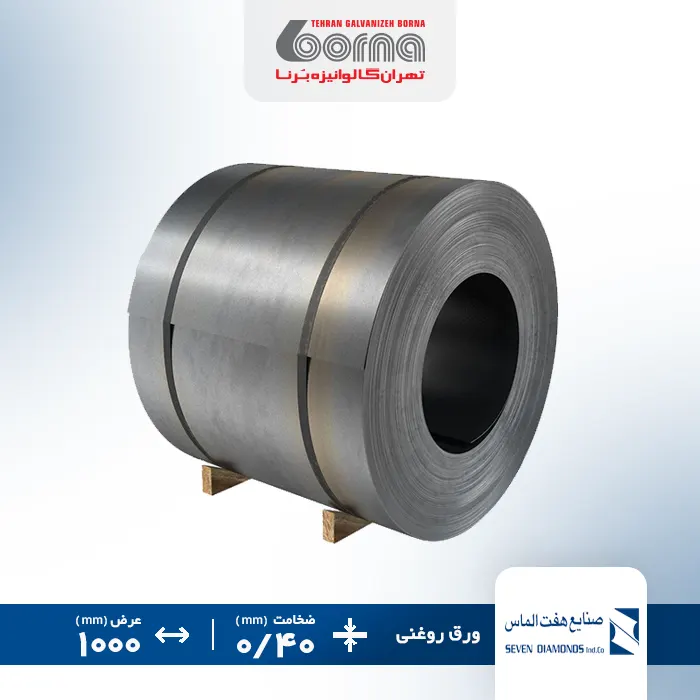
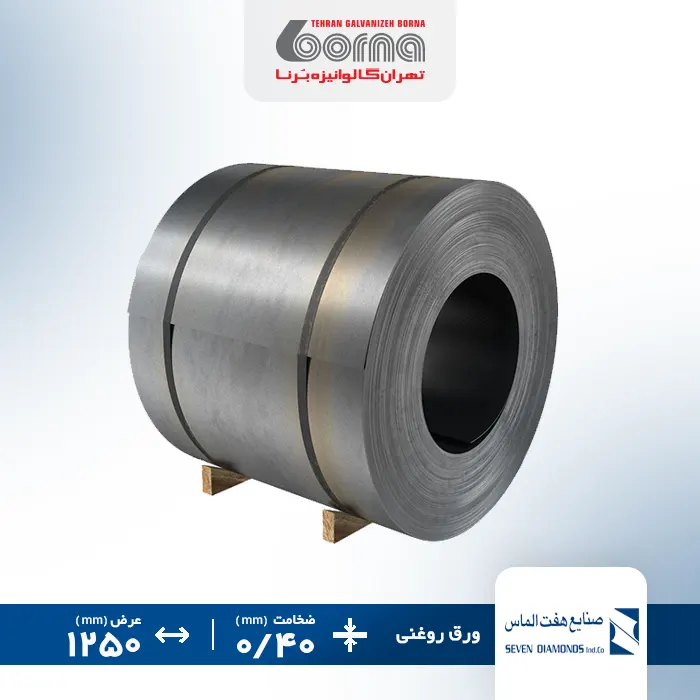
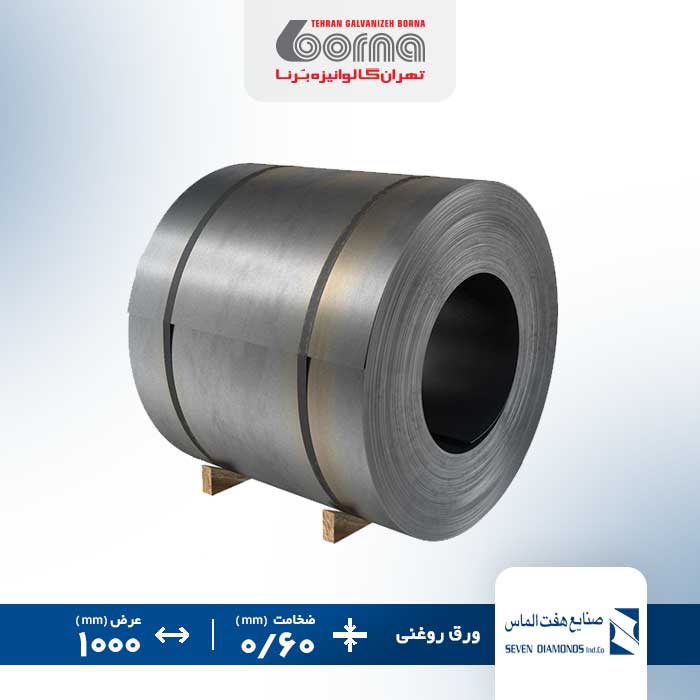
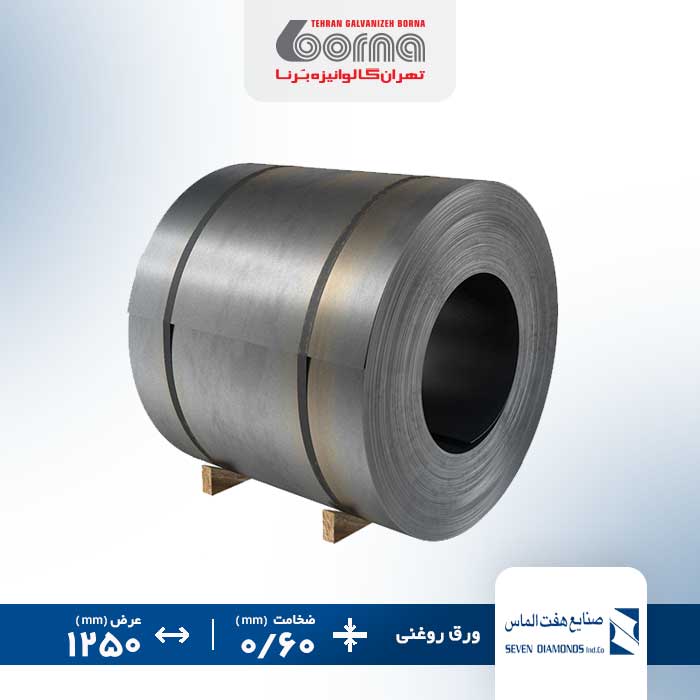
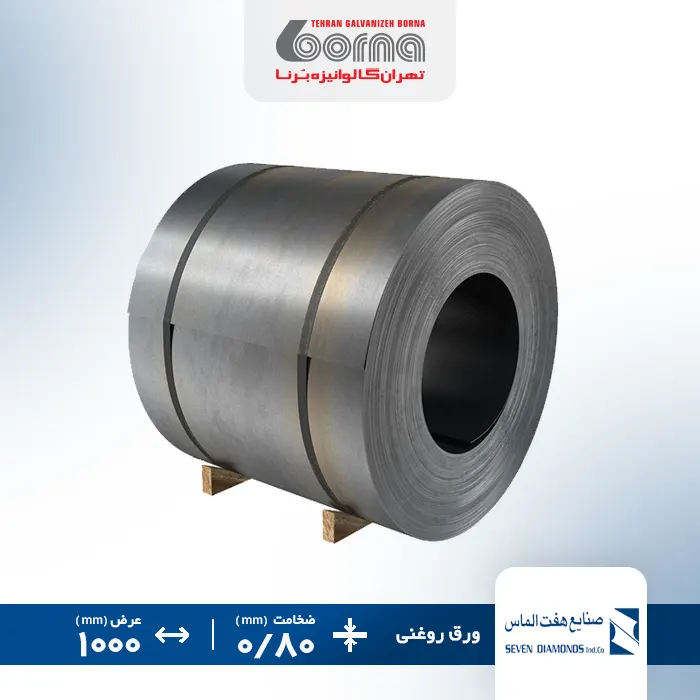
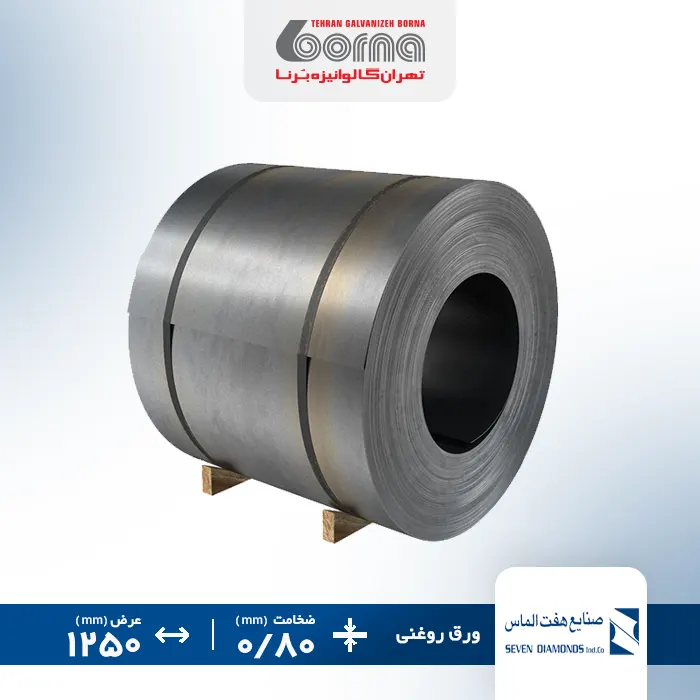
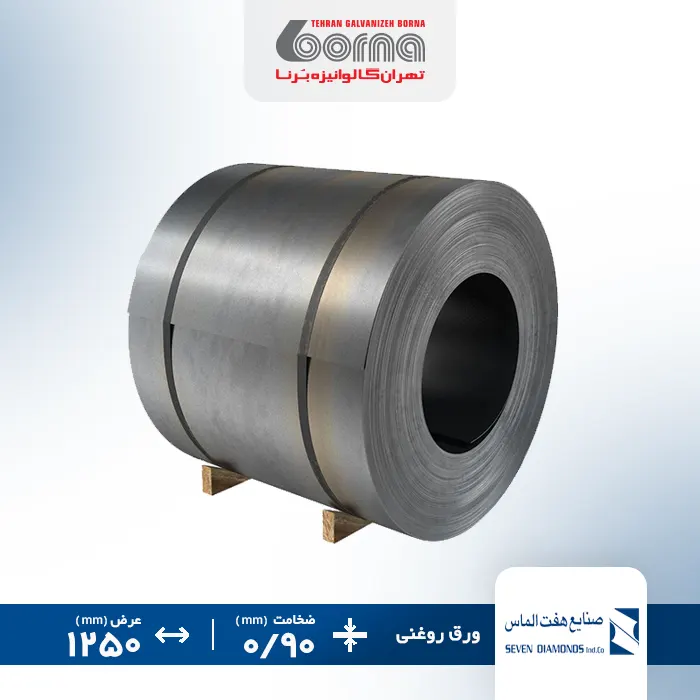
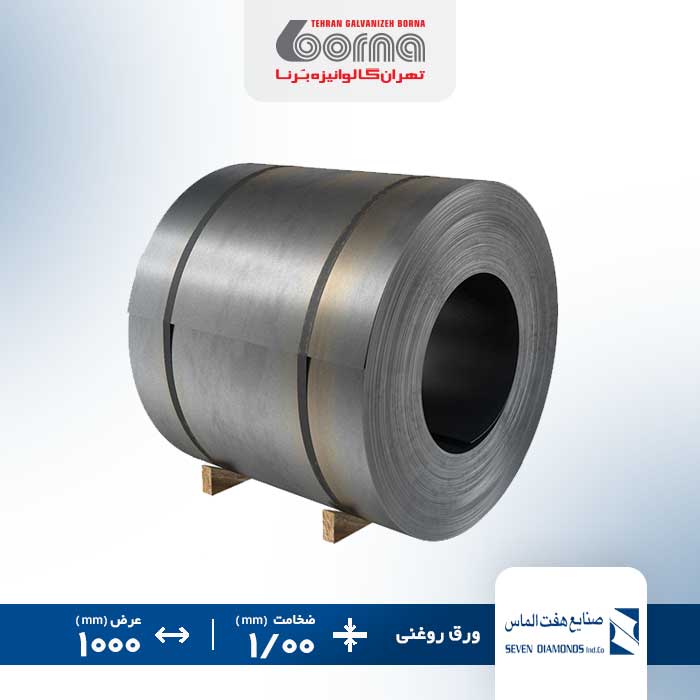
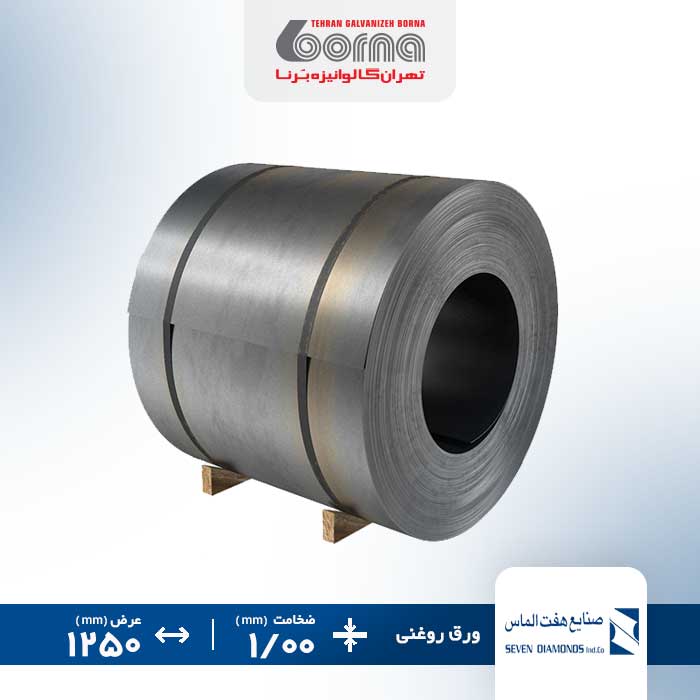
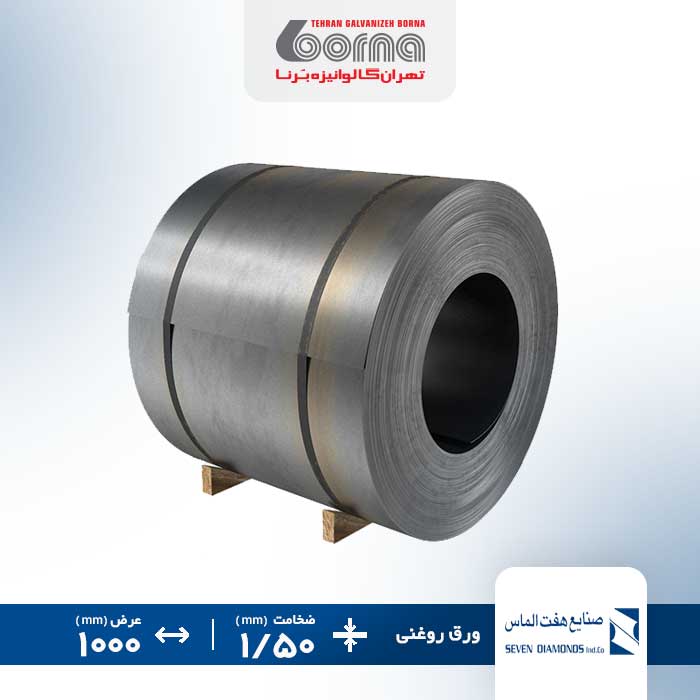
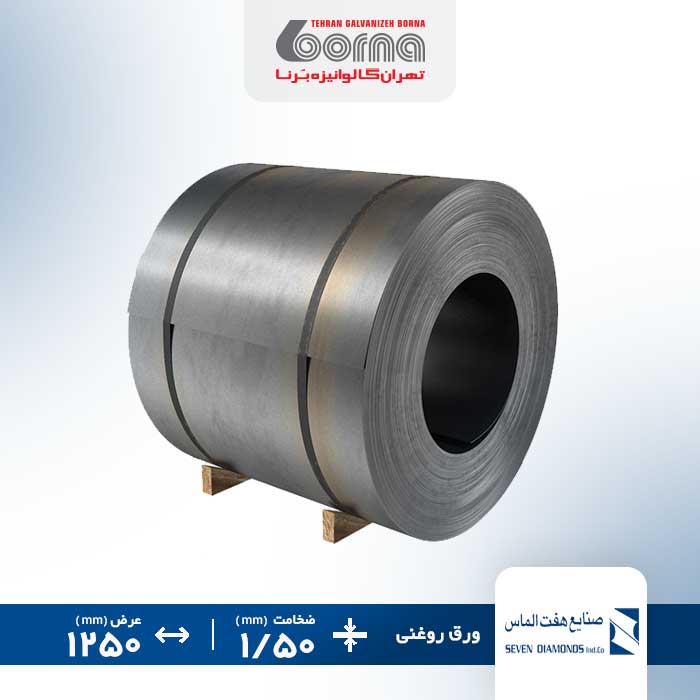
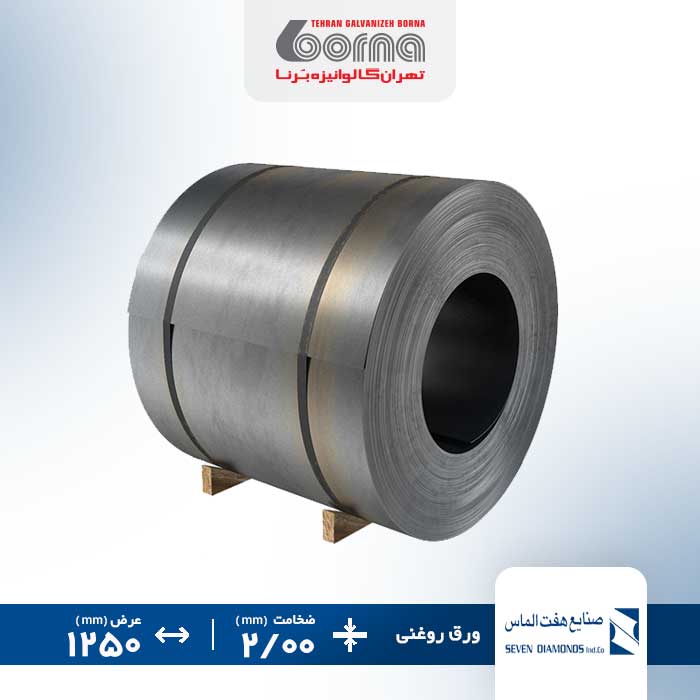
Cold-Rolled Steel Coils & Sheets
Cold-Rolled Steel is a widely used flat steel product known for its dimensional accuracy, consistent surface finish, and controlled mechanical properties. It is an important material for a range of manufacturing applications, including automotive components, home appliances, electrical equipment, and precision metal fabrication.
Cold-Rolled Steel is produced by further processing hot-rolled steel through a cold rolling process. During this process, steel strip passes between rollers under high pressure, reducing its thickness and improving dimensional accuracy. Unlike hot rolling, cold rolling is generally performed at or near room temperature, below the steel's recrystallization temperature.
In international steel trading, these products are commonly supplied as cold-rolled coils (CRC) or cold-rolled sheets. Uncoated cold-rolled steel may also be supplied with a thin protective oil film to help prevent surface corrosion during handling, storage, and transportation.
Ahan Shop, operated by Tehran Galvanize Borna, specializes in the trading, sourcing, and supply of cold-rolled steel coils and sheets from Iranian and international manufacturers. The product range includes various steel grades, thicknesses, widths, and surface finishes for industrial and manufacturing applications.
What Is Cold-Rolled Steel?
Cold-Rolled Steel is a flat steel product manufactured by reducing the thickness of hot-rolled steel at temperatures below its recrystallization temperature. The steel strip passes through a cold rolling mill, where controlled rolling forces progressively reduce its thickness to the required dimensions.
The cold rolling process provides tighter thickness tolerances, improved surface quality, and greater dimensional consistency compared with conventional hot-rolled products. Cold reduction also increases the strength and hardness of the steel through work hardening. Depending on the required final properties, the material may subsequently undergo annealing and skin-pass rolling to restore ductility, improve formability, and achieve the specified surface characteristics.
Cold-Rolled Steel is particularly suitable for applications requiring bending, stamping, drawing, and precision forming. The appropriate steel grade and delivery condition should be selected according to the mechanical properties and manufacturing requirements of the finished component.
Cold-Rolled Steel Production Process
The production of cold-rolled steel involves several processing stages to achieve the required thickness, surface quality, and mechanical properties. The exact manufacturing sequence depends on the steel grade, mill configuration, and intended application. The principal stages include:
- Pickling and Surface Cleaning: Hot-rolled steel coils pass through a pickling line to remove mill scale and surface oxides formed during hot rolling. The process commonly uses hydrochloric acid, followed by rinsing and drying. Proper surface preparation ensures that the steel strip is suitable for subsequent cold reduction.
- Cold Rolling: The pickled steel strip passes through a cold rolling mill, where its thickness is reduced through controlled rolling forces. Depending on the production facility, the process may use a tandem cold rolling mill or a reversing cold rolling mill. Cold reduction improves dimensional accuracy while increasing the material's strength and hardness through work hardening.
- Electrolytic Cleaning: Where required, the cold-rolled strip undergoes electrolytic cleaning to remove residual rolling oils, lubricants, and other surface contaminants before annealing. This helps maintain surface cleanliness during subsequent heat treatment.
- Annealing: Cold rolling increases hardness and reduces ductility. The steel therefore undergoes batch annealing or continuous annealing, as required by the product specification, to restore formability through recovery and recrystallization of its microstructure. This treatment enables the production of grades suitable for bending, stamping, and drawing operations.
- Skin-Pass Rolling: After annealing, the steel may pass through a skin-pass mill, also known as a temper rolling mill. This light reduction helps improve strip shape, control surface texture, and reduce the risk of undesirable yield-point deformation during subsequent forming operations.
- Inspection and Finishing: The finished steel strip undergoes quality inspection to verify thickness, width, flatness, surface condition, and other specified characteristics. Additional processing, such as edge trimming, slitting, or cut-to-length operations, may be performed according to customer requirements.
- Protective Oiling: A thin layer of rust-preventive oil may be applied to the steel surface to provide temporary protection against corrosion during handling, storage, and transportation. The type and amount of oil depend on the manufacturer's specifications and the required delivery condition.
- Recoiling and Packaging: The finished steel strip is wound into cold-rolled steel coils and prepared for packaging and shipment. Depending on the order specifications, the material may also be processed into cut-to-length sheets.
Cold-Rolled Steel Grades
Cold-Rolled Steel is available in different grades based on its chemical composition, mechanical properties, and intended forming applications. In the Iranian market, ST12, ST13, and ST14 remain commonly used commercial designations for cold-rolled forming steels.
These designations originate from older German standards and are historically associated with DC01, DC03, and DC04, respectively, under the European EN 10130 classification system. For international procurement, buyers should verify the applicable standard and specified mechanical properties rather than assuming that historical grade designations are fully interchangeable.
ST12 – General Forming Steel (DC01)
ST12 is a widely used cold-rolled steel grade suitable for general forming, bending, and relatively simple stamping operations. It is historically associated with DC01 under EN 10130.
This grade is commonly used to manufacture components requiring consistent surface quality, dimensional accuracy, and moderate formability. Typical applications include metal cabinets, electrical enclosures, appliance components, and general sheet metal products.
Its suitability for a particular forming operation depends on the material thickness, mechanical properties, bend radius, and processing conditions. Buyers should confirm the required specifications before selecting the grade.
ST13 – Drawing Quality Steel (DC03)
ST13 is a cold-rolled steel grade intended for drawing and more demanding forming applications. It is historically associated with DC03 under EN 10130.
Compared with general forming grades, ST13 provides properties suited to components requiring greater plastic deformation. Typical applications include pressed metal components, appliance parts, automotive components, and industrial housings.
The appropriate grade should be selected according to the required yield strength, tensile strength, elongation, and forming performance, taking into account the design and manufacturing conditions of the finished component.
ST14 – Deep Drawing Quality Steel (DC04)
ST14 is a cold-rolled steel grade used for deep drawing and complex sheet metal forming operations. It is historically associated with DC04 under EN 10130.
This grade offers enhanced formability for components requiring substantial deformation during production. Typical applications include automotive body components, deep-drawn housings, formed appliance parts, and precision-stamped components.
For demanding deep drawing applications, buyers should consider the specified yield strength, elongation, plastic strain ratio (r-value), and strain-hardening exponent (n-value). These properties influence the material's ability to withstand complex forming operations without excessive thinning or failure.
Forming performance may also be affected by material ageing and storage conditions. Buyers should therefore refer to the applicable standard, guaranteed mechanical properties, and manufacturer's recommendations when evaluating the suitability of stored material.
Is ST37 a Cold-Rolled Steel Grade?
ST37 is a legacy designation associated with structural carbon steel, rather than a conventional cold-rolled forming grade such as ST12, ST13, or ST14. It is commonly associated with structural applications requiring specified strength and weldability.
The ST37 designation does not, by itself, indicate whether a product has been manufactured by hot rolling or cold rolling. Similarly, it does not establish suitability for drawing or other demanding sheet metal forming operations.
For applications involving structural components, fabricated steel products, and industrial equipment, buyers should verify the exact steel grade, applicable manufacturing standard, mechanical properties, and delivery condition.
Applications of Cold-Rolled Steel
Cold-Rolled Steel is used across a wide range of industries requiring dimensional accuracy, consistent surface quality, and reliable forming characteristics. Its suitability for each application depends on the selected grade, thickness, surface finish, and mechanical properties.
- Automotive Manufacturing: Production of body panels, fenders, brackets, interior components, and other stamped or formed automotive parts.
- Home Appliances: Manufacturing of refrigerators, freezers, microwave ovens, cooking appliances, ventilation hoods, and appliance housings.
- Lighting Equipment: Production of lighting fixtures, metal housings, covers, and formed components.
- Heating Equipment: Manufacturing of water heater housings, radiator components, and other heating equipment parts.
- Filter Manufacturing: Production of filter housings, perforated metal components, and formed sheet metal parts.
- Industrial Equipment: Manufacturing of equipment enclosures, metal cabinets, formed components, and other fabricated products.
- Building Components: Production of elevator cabins, interior metal panels, doors, and architectural metal components.
- Electrical Equipment: Manufacturing of electrical cabinets, control panel enclosures, switchgear housings, and other electrical equipment components.
Why Is Cold-Rolled Steel Called "Oiled Sheet" in Iran?
In the Iranian steel market, cold-rolled steel is commonly known as "Varagh Roghani", a Persian commercial term that literally translates to "oiled sheet." This name originates from the practice of applying a thin layer of protective oil to the surface of uncoated cold-rolled steel.
Unlike galvanized steel, uncoated cold-rolled steel has no protective metallic coating and is therefore susceptible to surface corrosion when exposed to moisture and unfavorable storage conditions. Manufacturers commonly apply a temporary rust-preventive oil film to reduce the risk of oxidation during handling, storage, and transportation.
The protective oil does not provide permanent corrosion resistance. Appropriate packaging, dry storage, and careful handling remain essential to maintaining the surface quality of the material.
Although the term "oiled sheet" is widely understood in Iran, the standard terminology used in international steel trading is cold-rolled steel, with the surface treatment specified separately as oiled or unoiled, depending on the product's delivery condition.
Advantages of Cold-Rolled Steel
Cold-Rolled Steel offers several advantages for manufacturing applications requiring precise dimensions, consistent surface quality, and controlled mechanical properties. Its main benefits include:
- Consistent Surface Quality: A uniform surface finish suitable for subsequent forming, painting, and other finishing operations.
- Controlled Mechanical Properties: Availability of grades with specified strength, ductility, and forming characteristics.
- Tight Dimensional Tolerances: Greater control over thickness and dimensional consistency compared with conventional hot-rolled products.
- Good Formability: Suitable grades can be used for bending, stamping, drawing, and other sheet metal forming operations.
- Surface Finish Options: Availability of different surface textures and roughness levels to meet manufacturing requirements.
- Consistent Manufacturing Performance: Controlled dimensions and material properties support repeatable processing in high-volume production lines.
- Suitability for Further Processing: Cold-rolled steel can be used as a substrate for galvanizing, painting, and other surface coating processes.
- Temporary Corrosion Protection: Protective oiling can help reduce surface corrosion during transportation and storage.
Although cold-rolled steel typically involves additional processing costs compared with hot-rolled steel, its surface finish, dimensional accuracy, and forming characteristics can offer significant advantages in manufacturing applications where these properties are required.