


How Zinc Coating Thickness Affects Galvanized Steel Durability
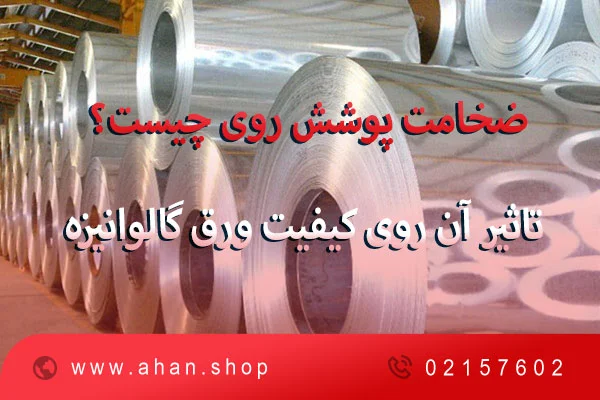
Galvanized steel is widely used across many industries, from industrial roofing and HVAC ductwork to household appliances, refrigerator cabinets, and electrical enclosures. Much of its corrosion resistance comes from the protective zinc coating applied to the steel surface. The coating acts as a barrier to the environment and also provides sacrificial protection, helping protect exposed steel at small scratches and cut edges.
The long-term corrosion resistance of galvanized steel depends on more than the presence of zinc alone. Coating thickness, coating uniformity, environmental exposure, and the quality of the galvanizing process all influence performance. A thicker coating generally provides a greater reserve of zinc for corrosion protection, but the appropriate specification depends on whether the steel will be used indoors, outdoors, or in a more corrosive environment. Selecting the right coating helps balance durability, project requirements, and cost.
What Is a Zinc Coating, and How Does Continuous Hot-Dip Galvanizing Work?
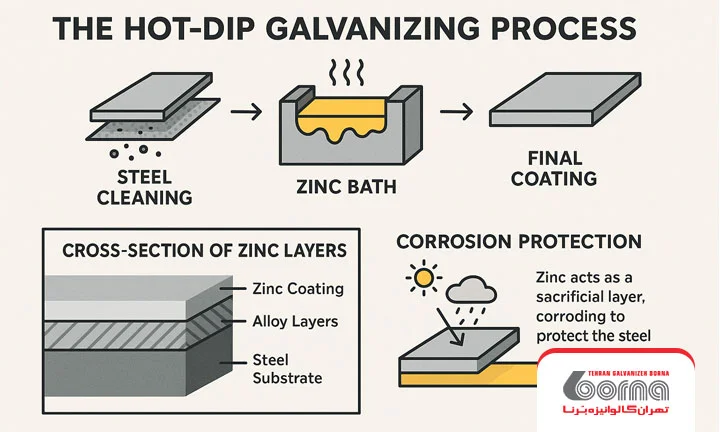
In continuous hot-dip galvanizing, a steel strip is cleaned and prepared before passing through a bath of molten zinc. At the steel-zinc interface, a metallurgical reaction promotes adhesion between the coating and the underlying steel. As the strip leaves the bath, gas wiping equipment, commonly known as air knives, removes excess molten zinc to achieve the required coating mass.
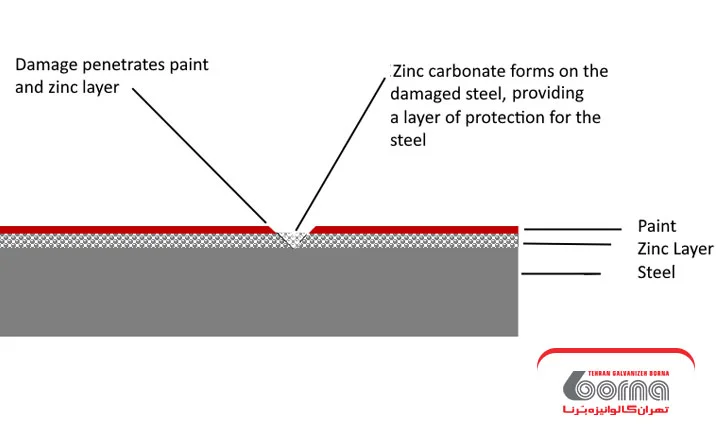
The resulting zinc coating provides both barrier protection and sacrificial corrosion protection. Zinc corrodes preferentially to steel, helping protect the base metal where minor damage exposes it. The coating is therefore a functional corrosion-protection system rather than merely a decorative finish. Its performance depends on coating specification, manufacturing quality, and service conditions.
What Is Zinc Coating Thickness?
Zinc coating thickness is the physical thickness of the zinc layer on the steel surface, typically expressed in micrometres (µm). In specifications for continuously hot-dip galvanized steel, however, the coating is commonly designated by its zinc coating mass, expressed in grams per square metre (g/m²). These are related but different measurements.
Under EN 10346, the numerical value in a zinc coating designation such as Z275 refers to the specified minimum total coating mass on both surfaces in the triple-spot test. For Z275, this value is 275 g/m². If the coating were distributed equally between the two sides, the nominal equivalent would be approximately 137.5 g/m² per side, or roughly 20 µm per side. Actual coating thickness can vary between surfaces and across the sheet.
Common Zinc Coating Mass Designations
EN 10346 specifies zinc coating designations using the letter Z and a numerical coating mass value. Steel producers may also offer additional coating masses by agreement. For example, Z180 is listed in some manufacturers' product ranges, although it is not one of the zinc coating masses shown in Table 12 of EN 10346:2015.
The following table shows commonly encountered designations and broad examples of their applications. These are general indications, not guarantees of suitability for a particular environment.
| Coating Designation | Minimum Total Zinc Coating Mass (g/m²) | Illustrative Applications |
|---|---|---|
| Z100 | 100 | Protected indoor applications with low corrosion exposure |
| Z140 | 140 | General-purpose indoor components and light fabrication |
| Z180 | 180 (manufacturer-specific offering) | Applications requiring more zinc protection than lighter coatings |
| Z275 | 275 | Outdoor or industrial applications where the exposure assessment supports this specification |
| Z350 and above | 350 or higher, depending on designation | Applications requiring a greater zinc coating mass, subject to the required corrosion protection |
In general, a higher zinc coating mass corresponds to a thicker protective layer and can improve corrosion resistance under comparable conditions. However, coating mass alone does not determine overall product quality or guarantee a specific service life.
How Zinc Coating Thickness Affects the Service Life of Galvanized Steel
There is a well-established relationship between zinc coating thickness and corrosion protection: under comparable exposure conditions, a thicker coating generally provides a larger reserve of zinc and can extend the service life of galvanized steel. However, the rate at which the zinc is consumed depends strongly on the environment.
- Humidity, time of wetness, airborne chlorides, industrial pollutants, and local weather conditions all influence zinc corrosion rates.
- A heavier coating designation, such as Z275, generally offers more zinc protection than Z100, but neither designation corresponds to a fixed number of service years in every outdoor environment.
For projects in humid, coastal, or industrial locations, a higher coating mass may be appropriate. The selection should nevertheless be based on the site's corrosivity, the expected service life, and whether additional protective measures are required.
Factors That Influence Zinc Coating Quality
Two galvanized steel products may carry the same coating designation, such as Z275, yet differ in surface quality, coating uniformity, adhesion, or performance in service. In addition to the specified coating mass, the manufacturing process and subsequent handling can affect the finished product.
Important production and quality-control factors include:
- The composition and control of the molten zinc bath, including relevant alloying additions
- Steel strip speed and operating conditions as the strip exits the zinc bath
- Control of the galvanizing bath temperature, typically around 450–460°C, depending on the process
- Coating mass control through gas wiping (air knives)
- The surface condition and preparation of the steel substrate before galvanizing
Steel producers such as Mobarakeh Steel, Haft Almas, and Kashan Amirkabir Steel supply galvanized steel to the market. When comparing products from different mills, buyers should review the applicable product standard, coating designation, inspection documentation, and any specified surface-quality requirements rather than relying on the coating designation alone.
How Can Zinc Coating Thickness and Mass Be Verified?
Buyers can use two complementary approaches to verify the zinc coating specification:
- Check the mill test certificate and product documentation
A mill test certificate (MTC), inspection certificate, or technical data sheet may identify the applicable standard and coating designation, such as Z180 or Z275. Where verification is required, confirm what test results and inspection documents the manufacturer has supplied. - Measure coating thickness using an appropriate instrument
A calibrated magnetic coating thickness gauge can measure the local thickness of a non-magnetic zinc coating on a ferromagnetic steel substrate, typically in micrometres (µm). Such readings are not the same as the total coating mass specified by a Z designation. Verification of coating mass against a standard may require the relevant prescribed sampling and test procedures.
Important: A Heavier Zinc Coating Is Not Always the Most Economical Choice
A heavier zinc coating often improves corrosion protection, but it may not be necessary for every project. For protected indoor applications with low corrosion exposure, lighter designations such as Z100 or Z140 may meet the requirements at a lower cost. Coating selection should take account of environmental exposure, required service life, fabrication needs, and overall project cost.
Conclusion: Selecting the Right Zinc Coating for Your Project
As an initial guide, the following coating ranges may be considered for different levels of exposure, subject to confirmation against the actual project requirements:
- Protected indoor and dry environments → Z100 to Z140 may be suitable
- Moderately humid or urban environments → Z180 to Z200 may be considered, depending on exposure
- Coastal or industrial environments → Z275 and above may be considered, but additional protection may be necessary in highly corrosive conditions
These ranges are general guidance rather than prescriptive design rules. The final choice should reflect the local corrosivity, expected service life, manufacturing and fabrication requirements, and budget. This approach helps balance corrosion resistance and cost-effectiveness without over- or under-specifying the coating.
Comparison of Zinc Coating Mass and Typical Applications
| Coating Designation | Specified Total Coating Mass (g/m²) | Typical Coating Thickness per Side (µm) | General Selection Guidance |
|---|---|---|---|
| Z100 | 100 | 7 | Protected indoor use and relatively low corrosion exposure |
| Z140 | 140 | 10 | General-purpose indoor applications where a lighter coating meets the requirements |
| Z180 | 180 (manufacturer-specific offering) | 13 | Intermediate coating option where offered by the manufacturer |
| Z200 | 200 | 14 | Applications requiring greater corrosion protection than lighter coatings |
| Z275 | 275 | 20 | Outdoor or industrial use where site conditions support the selected coating |
| Z350 and above | 350 or higher, depending on designation | 25 or more, depending on designation | Applications needing heavier zinc coatings; evaluate severe coastal or industrial exposure separately |
Note: Coating masses are specified for both surfaces combined; thickness values are typical guidance values per surface, not guaranteed minimum local thicknesses. Z180 is available from some manufacturers but is not listed in Table 12 of EN 10346:2015. Actual suitability depends on service conditions and product specifications.
Source Galvanized Steel with Specified Zinc Coatings from Ahan Shop
At Ahan Shop, you can explore galvanized steel from different producers, compare coating specifications, and request a quotation for your required material. Common coating designations include Z100 through Z350, with individual options subject to product and mill availability.
Our product information helps you compare available manufacturers, dimensions, and zinc coating specifications when selecting galvanized steel for your project.
For assistance with galvanized steel sourcing, contact the expert team at Tehran Galvanizeh Borna at +98 21 57602
How would you rate this article?
Help us provide better content by registering your rating.
Related Articles
-

What Is Galvanizing? Methods and Applications
Learn how galvanizing protects steel, compare hot-dip and cold galvanizing methods, and explore their applications and key coating quality criteria.
60 minutes of study time -

Shipping Container Steel: Types, Thicknesses and Selection Guide
Which steel is best for shipping containers? Compare Corten, galvanized, and prepainted steel, with a thickness guide for container walls and roofs.
40 minutes of study time -

Steel Sheets and Plates for Industrial Sheds
Compare hot-rolled, galvanized and prepainted steel for industrial sheds. Explore sheet thicknesses, roofing and cladding applications, and selection guidelines.
40 minutes of study time
Add a comment
How Zinc Coating Thickness Affects Galvanized Steel Durability